
| 1 1 | 1 2 | 1 3 |
| 2 1 | 2 2 | 2 3 |
| 3 1 | 3 2 | 3 3 |
The recent fight over Tik Tok is just a reflection of the long-lasting feud between China and the US in recent years. Will this „new tech cold war“ become a „comprehensive cold war“ ? Or will it be forgotten forever?
By Scarlett Yan, 30.11.2020.
A 20-year old man and his 5-year-old brother standing on the escalator, and dancing with pop rhymes——This simple 15 seconds’ video has attracted 25.6 million likes, ranking first on TikTok, a popular short video-sharing platform. The dancer is TikTok star Michael Le, who has 42.1 million followers on TikTok.
The fight over TikTok’s ownership in the US has been global headlines for quite a time. This issue came to a turning point recently, yet it is far from a final settlement. The recent fight over TikTok is just a reflection about the long-lasting feud between China and the US under the Trump presidency.
TikTok’s fate has been unclear since this September, as US President Donald Trump has signed two executive orders against TikTok, in which he demanded that TikTok would sell its US operations to a US-based owner, or else TikTok would be “shut down” in the US. Trump argued that TikTok’s Chinese owner, Bytedance, may pose threat to “the national security of the US”.
This decision has given Bytedance no other choice but to seek a US buyer. Several US companies came into the race, including Microsoft, Oracle and Walmart. An initial agreement was made to shift TikTok’s US asset to Oracle Corp. and Walmart Inc., which was strongly supported by Trump. Yet the deal was never finalized since Trump’s government failed to provide “substantive feedback” to the detailed solution, as argued by TikTok.
Yiming Zhang, The CEO of Bytedance, said in an interior letter that he did not agree with the decision to sell TikTok’s North American business, because the company has always insisted on ensuring user data security, platform neutrality and transparency.
On November 12,the US Commerce Department halted the ban on TikTok following this deal, giving the company another fortnight to survive. This decision was made because the ban „pending further legal developments“ in multiple lawsuits.
Three famous TikTokers appealed in a Philadelphia court in September, asking the app to be allowed to operate in America, and the court ruled in favor of the plaintiffs.
TikTok has also filed a lawsuit against the US government shortly after the ban, arguing that the government “has overstepped its legal authority” by making the order.
Why is TikTok so popular?
As an app for making and sharing short videos, TikTok has gone viral in the US market. According to Sensor Tower statistics, as of June 2020, TikTok ranks first in the global app download list. In the United States, TikTok has been downloaded more than 165 million times, and 65 to 80 million active users share videos every month.
The secret of TikTok’s success lies in its use of music and extremely large algorithms, allowing it to quickly understand what users love to watch and recommend them to users accordingly in order to increase “user stickiness”, which is to keep a user as long as possible. Although most of the popular videos are shorter than 30 seconds, many users spent several hours a day on TikTok. “I could not stop watching these videos, they are like magic bullets,” one user commented on Twitter.
From the get-go, TikTok has been trying to delimitate a clear line between itself and its parent company. The staff is run by a global team, and the data was collected and stored overseas. However, these gestures could not dismiss the doubt that TikTok may monitor and disclose the data of customers and apply China’s censorship to its global practice.
In July, the government of India also announced a ban on TikTok in the India market, after the relationship between China and India deteriorated. India used to be TikTok’s biggest oversea market as TikTok has the most downloads globally in India.
Although it seems like a business dispute, in reality, it is a reflection of the deterioration of Sino-US relations. The reason TikTok has become the latest target of strikes was due to its close relations with Chinese authorities. As US Secretary of State Mike Pompeo has repeatedly argued, TikTok would pass the data of US-based users on to the Chinese government, though no evidence has been disclosed.
The escalating fight has even raised concerns that this “new tech cold war” could become a “comprehensive cold war”? The decoupling of two of the largest countries in the world would definitely bring severe implications to the international situation, where we have already seen some consequences.
Right now, the situation has changed dramatically. As Biden has won the presidential election of November 3 and the Trump administration is struggling to remain in power and refuses to acknowledge the defeat, the fate of TikTok seems less important to the administration. As joked by some media, the Trump administration may have forgotten about the ban as they have more urgent issues to deal with.
The future fate of TikTok may lie on the new Biden administration, or, it may be forgotten forever.
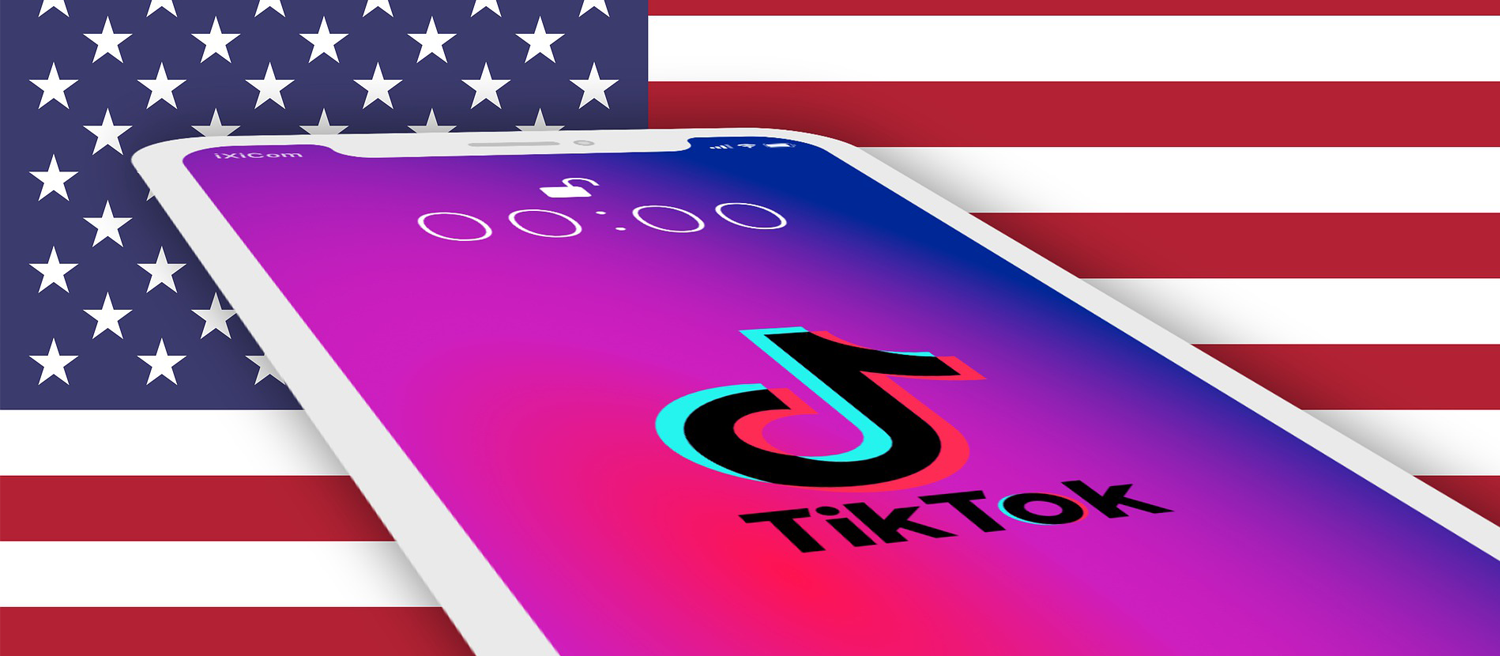
Picture © pixabay.com